
Buying Guides for The Polished Pebble
Practical Hobbyist rock tumbling and lapidary basics, focusing on equipment selection, process optimization, and material identification. buying guides organized for Adult hobbyists and creative enthusiasts seeking a meditative, rewarding craft that fits into a busy schedule and requires technical guidance on slow-process results., with plain-language decision points and links into deeper articles.
How long does it take to tumble a rock?
The standard rock tumbling process typically takes 4 to 6 weeks. This involves four distinct stages: coarse grinding (1 week), medium grinding (1 week), pre-polishing (1 week), and the final polish (1 week), plus cleaning time between stages. Factors like rock hardness and desired shine can extend the final stages.
Core buying decisions
Essential Guide to Sourcing Arizona Minerals and Gemstones
Arizona is widely regarded as one of the premier destinations for rockhounding in the world. Often referred to as a "geologic treasure trove," the state offers a diversity of minerals, gemstones, and fossils that attract collectors from every corner of the globe. For those looking to purchase specimens or the specific equipment needed to navigate the rugged Arizona terrain, understanding the regional specialties is the first step in making an informed investment.
From the vibrant blues of its world-famous turquoise to the fiery depths of its agates, Arizona specimens are staples in any serious collection. This guide highlights the key materials sourced from the Grand Canyon State and what buyers should look for regarding quality and authenticity.
The Copper State’s Colorful Legacy: Malachite and Azurite
Arizona’s history is deeply intertwined with copper mining, and where there is copper, there are often stunning secondary minerals. Collectors frequently seek out Arizona-sourced Malachite, Azurite, and Chrysocolla.
When buying these minerals, look for:
- Color Saturation: High-quality Azurite should exhibit a deep "royal" blue, while Malachite is prized for its vivid, contrasting green banding.
- Botryoidal Formations: Many Arizona specimens are found in "grape-like" clusters. These rounded formations are highly aesthetic and typically command a higher price than massive or duller chunks.
- Stability: Some copper minerals can be brittle. Ensure that specimens, especially those intended for display, are stable and not prone to crumbling.
Identifying Quality in Arizona Turquoise
Perhaps no stone is more synonymous with the Southwest than Turquoise. Arizona has been home to some of the most famous turquoise mines in history, including the Sleeping Beauty, Kingman, and Bisbee mines.
When sourcing Arizona Turquoise, it is vital to distinguish between natural, stabilized, and reconstituted stones. Natural turquoise from the now-closed Sleeping Beauty mine is famous for its "robin’s egg" blue color and lack of matrix (the host rock). Because many of these mines are no longer producing, authentic Arizona turquoise is an investment-grade material. Buyers should always ask for the specific mine of origin, as the "matrix" patterns—the dark veining within the stone—can vary significantly from the reddish-brown of Bisbee to the black or silver of Kingman.
The Allure of Arizona Fire Agate
Fire Agate is a unique variety of chalcedony that contains thin layers of limonite or iron oxide, creating an iridescent "fire" similar to that of a precious opal. Arizona is one of the few places on Earth where high-quality Fire Agate is found, specifically in areas like Deer Creek and Slaughter Mountain.
When purchasing Fire Agate, the value is almost entirely dependent on the "fire" or play of color. Look for:
- Color Range: While greens and golds are common, reds, purples, and blues are much rarer and more valuable.
- Depth of Flash: The best specimens show a three-dimensional depth to the color bubbles (botryoidal layers) within the stone.
- Cut Quality: Because the layers of fire are incredibly thin, a poorly cut stone can easily grind away the color. Look for expertly polished cabochons that maximize the iridescent display.
Sourcing Petrified Wood and Fossils
Arizona is home to the Rainbow Forest and the Petrified Forest National Park, and while collecting within the park is strictly prohibited, much of the surrounding private land yields spectacular specimens of Araucarioxylon arizonicum.
Arizona petrified wood is distinct for its "rainbow" of colors, caused by trace elements like manganese, iron, and copper during the permineralization process. When buying large rounds or bookends, check for high-polish finishes and a lack of significant fractures. The presence of clear quartz or amethyst pockets within the wood can significantly increase the specimen's value.
Essential Gear for the Arizona Rockhound
If you are transitioning from buying specimens to collecting them yourself, the Arizona climate and geology require specific equipment. The ground is often "caliche"—a hardened natural cement of calcium carbonate—which can be incredibly difficult to break.
- Heavy-Duty Picks: Standard rock hammers may struggle with Arizona’s hard-packed desert floor. A long-handled crack hammer or a dedicated "gad pry bar" is often necessary for extracting specimens.
- UV Lighting: Arizona is famous for its fluorescent minerals. If you are hunting for minerals like Calcite or Fluorite, investing in a high-quality short-wave UV lamp is essential for night-time collecting.
- Sifting Screens: For those hunting for smaller garnets or peridot in areas like Peridot Mesa, a series of graduated sifting screens will help separate the gems from the volcanic basalt and sandy wash.
Whether you are purchasing a rare Bisbee turquoise cabochon for a jewelry project or a massive slab of petrified wood for your home, Arizona’s mineral wealth offers something for every level of collector. By focusing on color clarity, mine provenance, and structural integrity, you can ensure your Arizona specimens remain the highlights of your collection for years to come.
The Collector’s Guide to Arizona Minerals and Gemstones
Arizona is widely regarded as a premier destination for rockhounds and mineral collectors, often cited as one of the highest-caliber states for geologic diversity. From the vibrant blues of copper-based minerals to the ancient history locked within petrified wood, the "Grand Canyon State" offers a treasure trove of specimens that are staples in any serious collection. When navigating the market for Arizona-sourced minerals, understanding the specific characteristics and regional variations of these stones is essential for making an informed purchase.
The Crown Jewel: Arizona Turquoise
Turquoise is perhaps the most iconic mineral associated with Arizona. The state has produced some of the most famous turquoise in the world, often identified by its specific mine of origin. When buying Arizona turquoise, collectors should look for provenance from these legendary locations:
- Sleeping Beauty Mine: Known for its solid, light-blue color with little to no matrix. Although the mine is currently closed for turquoise production, specimens remain highly sought after for their "robin’s egg" clarity.
- Bisbee Blue: Highly prized for its deep blue hue and chocolate-brown "smoky" matrix. It is considered one of the most valuable varieties due to its rarity and unique aesthetics.
- Kingman: This mine produces a wide range of colors, from pale blue to dark blue, often with a beautiful silver or black water-web matrix.
When purchasing turquoise, it is vital to ask if the stone is "natural," "stabilized," or "reconstituted." Natural stones are untreated and command the highest prices, while stabilized stones have been treated with resin to improve durability and color.
Copper-Based Minerals: Azurite and Malachite
Arizona’s rich mining history is deeply tied to copper, which leads to the formation of spectacular secondary minerals like Azurite and Malachite. These are often found together, creating "Azu-malachite" specimens that showcase a striking contrast between deep royal blue and vibrant forest green.
When evaluating these specimens, look for "velvet" textures or botryoidal (grape-like) formations. The Morenci and Bisbee mines are world-famous for producing high-luster azurite crystals. High-quality pieces should have sharp color definition and minimal crumbling, as these minerals can be somewhat fragile.
Fire Agate: The Southwest’s Hidden Fire
Found primarily in the desert regions of Arizona and Mexico, Fire Agate is a variety of chalcedony that contains inclusions of goethite or limonite. This creates a thin-film interference effect, resulting in a "fire" or iridescence that seems to glow from within the stone.
Buying Fire Agate requires a keen eye for "windowing." The best specimens have a clear top layer that allows the internal flashes of red, gold, and green to be seen clearly. Because the "fire" follows the contours of the botryoidal growth, these stones are often cut into freeform shapes rather than traditional ovals. Look for stones with a multi-color flash rather than a single-color glow.
Arizona Peridot
Arizona is one of the world's primary sources of gem-quality Peridot, specifically from the San Carlos Apache Reservation. Unlike peridot from other global regions, Arizona peridot is known for its bright, grassy green color with a slight yellowish tint.
When buying faceted Arizona peridot, look for "eye-clean" stones. While small inclusions (often called "lily pads") are common in peridot, they should not detract from the stone's overall brilliance. Larger stones (over 3 carats) are significantly rarer in Arizona deposits and represent a premium investment for collectors.
Petrified Wood and Anthracite
Arizona’s Rainbow Forest and the areas surrounding the Petrified Forest National Park (where collecting is strictly regulated on private lands) produce some of the most colorful petrified wood in the world. The replacement of organic wood matter with silica and various oxides results in brilliant reds, yellows, and purples.
For collectors, "full rounds"—cross-sections of a log that show the bark and the internal ring structure—are the most desirable. Ensure the polish is mirror-like, as poor polishing can hide the intricate cellular details of the ancient wood.
Tips for the Savvy Buyer
Because Arizona is a global hub for the mineral trade—culminating in the massive Tucson Gem and Mineral Show every winter—buyers have access to an incredible volume of material. However, this also means one must be diligent:
- Request Locality Data: A specimen’s value is significantly tied to its specific mine. A "Malachite" specimen is fine, but a "Malachite from the Copper Queen Mine, Bisbee" is a historical artifact.
- Inspect for Repairs: Large mineral clusters, especially from Arizona’s copper mines, are often fragile. Use a UV light or a magnifying loupe to check for hidden glue or stabilization at the base of crystals.
- Understand the Market: Prices can fluctuate based on mine closures. For example, as certain Arizona mines stop production to focus on industrial copper, the existing "old stock" of mineral specimens from those locations typically increases in value.
By focusing on these regional specialties, you can build a collection that reflects the unique geologic heritage of one of the world's most prolific rockhounding states. Whether you are looking for investment-grade turquoise or a cabinet specimen of sparkling azurite, Arizona minerals offer a timeless appeal for every level of collector.
Essential Guide to Sourcing and Buying Arizona Minerals
Arizona is often referred to as a geologic treasure trove, and for good reason. As one of the premier rockhounding destinations in the world, the "Grand Canyon State" produces a staggering variety of specimens that are highly coveted by collectors, decorators, and jewelers alike. For those looking to add Arizona-sourced materials to their collection, understanding the regional specialties and the hallmarks of quality is essential. From the vibrant blues of Sleeping Beauty Turquoise to the complex formations of Bisbee Azurite, the market for Arizona minerals is as diverse as the landscape itself.
The Copper State’s Mineral Legacy
Arizona’s history is deeply intertwined with copper mining, and this industrial heritage has provided a secondary bounty: world-class copper-based minerals. When buying Arizona specimens, the "secondary" minerals found in the oxidation zones of copper mines are often more valuable to collectors than the copper itself.
- Azurite and Malachite: Arizona is famous for some of the finest Azurite and Malachite specimens ever discovered. Look for "Bisbee Blue" Azurite, known for its deep, royal blue hue. When these two minerals intergrow, they create "Azurmalachite," which is highly prized for lapidary work.
- Chrysocolla: Often found in the Ray Mine or the Inspiration Mine, Arizona Chrysocolla is frequently "gem silica"—a rare, translucent variety where the Chrysocolla is infused with quartz. This makes it harder and more durable for jewelry than standard Chrysocolla.
Arizona Turquoise: A Buyer’s Priority
Perhaps no stone is more synonymous with the Southwest than Turquoise. However, not all Arizona Turquoise is created equal. When navigating buying guides, you will notice that provenance (the specific mine of origin) dictates the price and prestige of the stone.
- Sleeping Beauty Turquoise: Known for its solid, light-blue color with little to no matrix. While the mine closed in 2012, "old stock" material remains a top tier investment for buyers seeking a clean, "robin’s egg" look.
- Bisbee Turquoise: Characterized by a deep blue color and a unique "chocolate" brown matrix. It is among the rarest and most expensive varieties on the market.
- Kingman Turquoise: This mine is still active and produces a wide range of colors, from pale blue to green, often with a beautiful water-web matrix. It is a staple for those looking for authentic Arizona material at various price points.
Fire Agate: The Southwest’s Hidden Gem
Found primarily in the desert regions of Arizona and Northern Mexico, Fire Agate is a variety of chalcedony that contains inclusions of goethite or limonite. This creates a "Schiller effect" or iridescence similar to opal but with much greater durability.
When buying Fire Agate, the value is determined by the "fire." Look for specimens that exhibit a full spectrum of colors—reds and oranges are common, but greens, blues, and purples are significantly rarer and more valuable. Because the fire is often trapped in thin layers within the stone, the quality of the cut is paramount; a poorly cut stone can "cut through" the color layer, ruining the specimen's value.
Arizona Petrified Wood
The Petrified Forest National Park may be off-limits for collecting, but the surrounding private lands in the Holbrook and Winslow areas produce some of the most colorful petrified wood in the world. Often called "Rainbow Wood," these specimens are agatized, meaning the organic wood cells were replaced by silica (quartz and chalcedony) over millions of years.
For buyers, the most desirable pieces show distinct bark patterns and a full range of colors—reds from iron, yellows from limonite, and blacks from manganese. Large polished "rounds" or slabs make for stunning interior decor pieces, while smaller, highly translucent fragments are often used in high-end lapidary projects.
Tips for the Savvy Collector
Because Arizona is such a high-caliber state for minerals, the market can be flooded with both high-quality specimens and clever imitations. Follow these guidelines when purchasing:
- Verify Provenance: Always ask for the specific mine or district. A label that simply says "Arizona" is less valuable than one that specifies "Morenci Mine, Greenlee County."
- Understand Treatments: Much of the Turquoise on the market is "stabilized" with resin to improve hardness and color. While this is an accepted practice, it should always be disclosed by the seller, as natural, untreated stones command a much higher premium.
- The Tucson Factor: If you are looking to buy in person, the Tucson Gem and Mineral Show is the largest event of its kind in the world. Held every February, it is the best place to see the full breadth of Arizona’s geologic offerings and connect with reputable local dealers.
- Check for "Self-Collected" Authenticity: Many Arizona dealers are also active rockhounders. Buying from someone who can tell you exactly which canyon or tailing pile a specimen came from adds a layer of story and authenticity to your collection that mass-produced imports cannot match.
Arizona remains a premier destination for those who appreciate the raw beauty of the earth. Whether you are looking for a small cabinet specimen of sparkling Peridot from the San Carlos Reservation or a massive slab of Rainbow Petrified Wood, the minerals of the Grand Canyon State offer a unique blend of history, chemistry, and aesthetic brilliance.
Navigating the Arizona Rockhounding Market: A Buyer’s and Collector’s Guide
Arizona is frequently cited as one of the premier destinations for rockhounds and mineral collectors globally. Known as the "Grand Canyon State," its geological diversity is staggering, offering everything from rare copper-based minerals to some of the finest petrified wood in the world. For those looking to build a collection or venture into the field, navigating the Arizona market requires a specific understanding of the region's unique offerings and the rugged equipment necessary to extract them.
Whether you are attending the world-renowned Tucson Gem and Mineral Show to purchase investment-grade pieces or preparing for a trek into the desert, this guide outlines the essential specimens to look for and the gear required for the harsh Southwestern terrain.
Iconic Arizona Specimens to Acquire
When buying Arizona-sourced minerals, collectors typically focus on a few "signature" items that define the state's mineralogy. Because Arizona has a rich mining history, particularly in copper, the variety of secondary copper minerals is unparalleled.
- Fire Agate: Found primarily in the desert regions of Arizona and Mexico, fire agate is a variety of chalcedony containing inclusions of goethite or limonite. This creates a "Schiller effect" or iridescence similar to opal. When buying fire agate, look for "windows" of high-flash color—reds and greens are common, while blues and purples are rarer and more valuable.
- Petrified Wood: Arizona is home to the Petrified Forest National Park, and while collecting within the park is strictly prohibited, vast quantities of high-quality petrified wood are legally sourced from private lands in the surrounding areas (such as Holbrook). Look for "Rainbow Wood" specimens, which exhibit vibrant reds, yellows, and oranges caused by iron and manganese oxides.
- Copper Minerals (Azurite and Malachite): Arizona’s copper mines, such as those in Bisbee and Morenci, have produced world-class specimens of deep blue azurite and velvet-green malachite. Buyers should look for "bisbee blue" specimens, which are highly sought after for their saturation and historical provenance.
- Arizona Turquoise: While many mines have closed, Arizona turquoise remains a staple for collectors. The Kingman and Sleeping Beauty mines are the most famous. When purchasing, distinguish between "natural" turquoise and "stabilized" turquoise, as the former carries a significant premium for its purity and hardness.
Essential Gear for the Arizona Field Collector
If your interest lies in field collecting rather than purchasing from a dealer, your gear list must account for Arizona’s specific geology. The ground is often "caliche"—a hardened natural cement of calcium carbonate—and the heat is a constant factor.
Heavy-Duty Extraction Tools
Unlike the softer soils of the Midwest or the damp forests of the Pacific Northwest, Arizona rockhounding often involves breaking through sun-baked, compacted earth or solid rock.
- Estwing Rock Pick: A 22oz pointed-tip rock hammer is the industry standard. It is essential for prying and chipping at volcanic host rocks.
- Gad Pry Bars: A 12-inch or 18-inch pry bar is necessary for moving larger boulders or opening fissures where geodes or agates may be hiding.
- Crack Hammers and Chisels: For those targeting specific veins of quartz or copper minerals, a 3lb crack hammer paired with cold chisels will provide the force needed to break through harder matrix material.
Desert Survival and Protection
In Arizona, your "buying guide" for gear must prioritize safety. The environment is as unforgiving as the rocks are beautiful.
- UV Protection: High-UPF clothing and wide-brimmed hats are non-negotiable. The Arizona sun can be brutal even in the "cooler" months of October and March.
- Hydration Systems: A standard water bottle is rarely enough. Look for 3-liter hydration bladders and ensure you carry "electrolyte-heavy" fluids.
- Sturdy Footwear: Desert terrain is filled with "jumping" cholla cactus, sharp volcanic rock, and rattlesnakes. High-top leather boots with thick soles are the best defense against both the flora and the fauna.
Sourcing and Authenticity
When buying Arizona minerals, provenance is everything. The value of a specimen often doubles if it can be traced back to a specific, now-closed mine. Always ask sellers for a "locality card." In the Arizona market, specimens from the "Bisbee," "Ray," or "Morenci" mines are considered blue-chip investments.
For those looking to buy in bulk or find rare treasures, the annual Tucson Gem, Mineral & Fossil Showcase in January and February is the largest event of its kind. It provides a unique opportunity to compare prices across hundreds of vendors, ranging from high-end galleries to "tailgate" sellers offering raw field-collected material.
By focusing on these specific mineral types and preparing with the right equipment, you can successfully navigate the rich geological landscape of one of the world's most famous rockhounding states.
Essential Gear for Arizona Rockhounding: A Desert Collector’s Guide
Arizona is widely regarded as a premier destination for rockhounds, offering a geological diversity that ranges from the volcanic fire agates of the Saddle Mountain area to the petrified wood of the Holbrook basin. However, the "Grand Canyon State" presents unique environmental and geological challenges that require a specific kit of tools and supplies. Unlike the softer soils of the Midwest or the coastal sands of the Pacific Northwest, Arizona’s terrain is often characterized by hard-packed caliche, volcanic basalt, and extreme temperature fluctuations.
To successfully navigate a trip to this rockhounding mecca, your buying strategy should focus on durability, heat management, and specialized extraction tools.
Heavy-Duty Extraction Tools
In many Arizona collecting sites, the specimens aren't just sitting on the surface; they are often embedded in tough matrix or buried under sun-baked desert pavement.
- Gad Pry Bars and Pointed Picks: Standard rock hammers often struggle with Arizona’s volcanic rock. A "gad" (a small, pointed steel bar) used in conjunction with a 3-pound crack hammer is essential for popping geodes or agates out of vugs without shattering the specimen.
- Full-Sized Shovels vs. Hand Trowels: While a hand trowel is fine for soft tailings, a sturdy, long-handled spade is recommended if you are visiting areas known for buried petrified wood or jasper. The ground can be incredibly compacted, and the leverage of a full-sized tool is often the difference between a successful find and a broken plastic handle.
- Chisels with Hand Guards: Because you will often be striking steel against hard rhyolite or basalt, buying chisels with rubber hand guards is a safety priority. The vibration from striking hard Arizona stone can lead to hand fatigue or injury over a long afternoon.
Specialized Detection: UV Lights and Sifters
Arizona is a world-class location for fluorescent minerals, but it is also home to the bark scorpion. This makes a high-quality UV flashlight a dual-purpose tool for any desert collector.
- 365nm Long-Wave UV Flashlights: When shopping for a UV light, ensure it is a filtered 365nm LED. This wavelength is superior for spotting the "glow" of minerals like calcite or chalcedony in the desert night. Lower-quality 395nm lights often produce too much visible purple light, washing out the fluorescence of the minerals.
- Classification Screens: If your goal is to find peridot (common in the San Carlos area) or small garnets, a set of nesting classification screens is a must-buy. These allow you to sift through dry alluvial gravels quickly. Look for stainless steel mesh to prevent rust if you decide to use them for wet sifting in the occasional desert wash.
Desert Survival and Field Comfort
In Arizona, your gear guide must include "human maintenance" equipment, as the environment can be unforgiving.
- High-Capacity Hydration Bladders: In the arid climate, you can lose moisture rapidly without realizing it. A 3-liter hydration bladder integrated into your rock pack is more efficient than carrying loose water bottles, as it keeps your hands free for climbing and hammering.
- Wide-Brimmed Ventilated Hats: Avoid standard baseball caps. To protect against the intense Arizona sun, look for hats with a 3-inch minimum brim and UPF 50+ ratings.
- Sturdy, High-Ankle Boots: Arizona is "poky" country. Between cacti, sharp volcanic rock, and rattlesnakes, high-ankle leather boots provide the necessary protection and stability for traversing uneven canyon floors.
Navigation and Legal Access Resources
Before heading out, your "buying list" should include updated maps and guidebooks. Arizona has a complex patchwork of BLM land, State Trust land, and private mining claims.
- Gem Trails of Arizona: This remains the "gold standard" guidebook for the state. It provides GPS coordinates and specific site maps that are invaluable for beginners.
- State Trust Land Permits: It is important to note that "buying" access is part of the process. If you plan to collect on Arizona State Trust land, you must purchase a recreational permit online in advance. This is a low-cost annual fee that ensures you are rockhounding legally.
- Satellite Mapping Apps: Investing in a subscription to an app like OnX or Gaia GPS is highly recommended. These apps allow you to see property boundaries in real-time, ensuring you don't accidentally wander onto an active mining claim or private ranch land while chasing a vein of copper minerals.
By tailoring your equipment to the specific hardness of the Arizona crust and the realities of the desert climate, you transform a potentially grueling outing into a productive and safe expedition. Whether you are hunting for the blue flash of Arizona turquoise or the rainbow hues of petrified wood, the right gear is your most important asset.
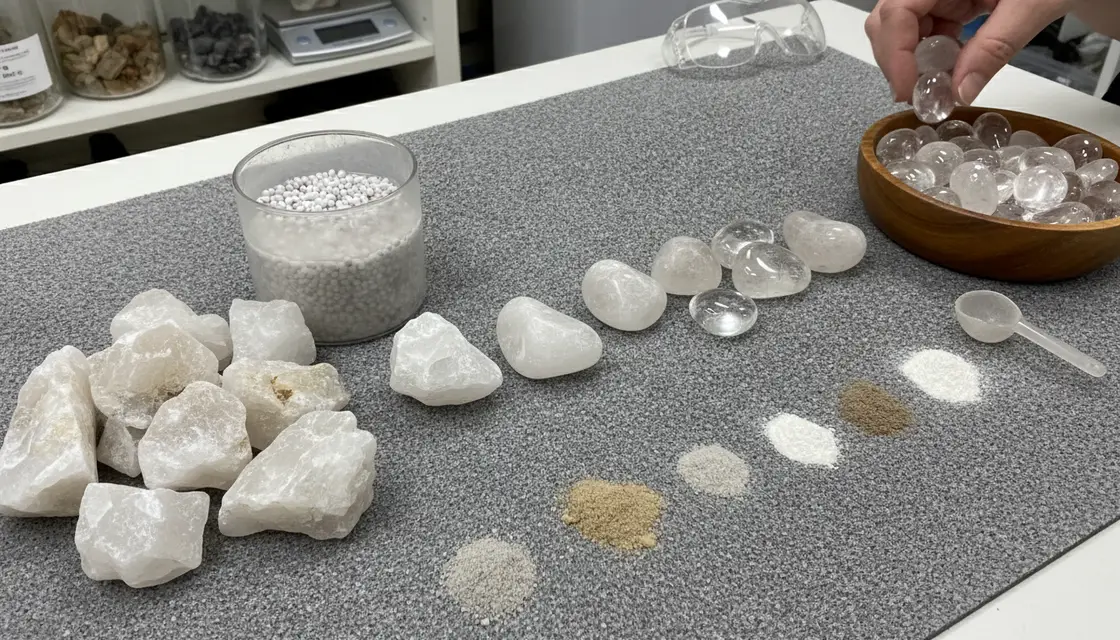
Tumbling Quartz: The Complete Guide to Clear Results
Quartz is a staple for every rock tumbler, but achieving that flawless, glass-like finish requires a specific touch. Discover how ...
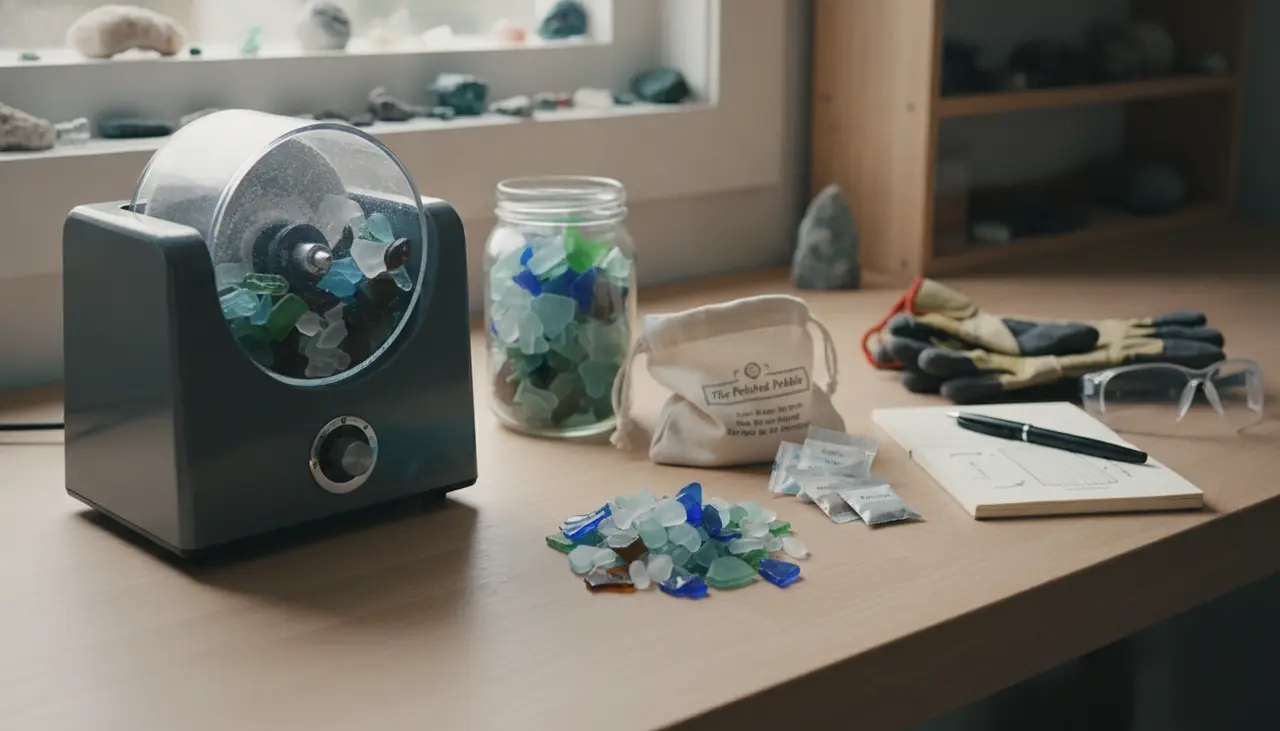
How to Tumble Glass: A Beginner’s Guide to Making Your Own Sea Glass
Turn recycled bottles into beautiful, frosted sea glass from the comfort of your home. This guide covers everything from safety ti...
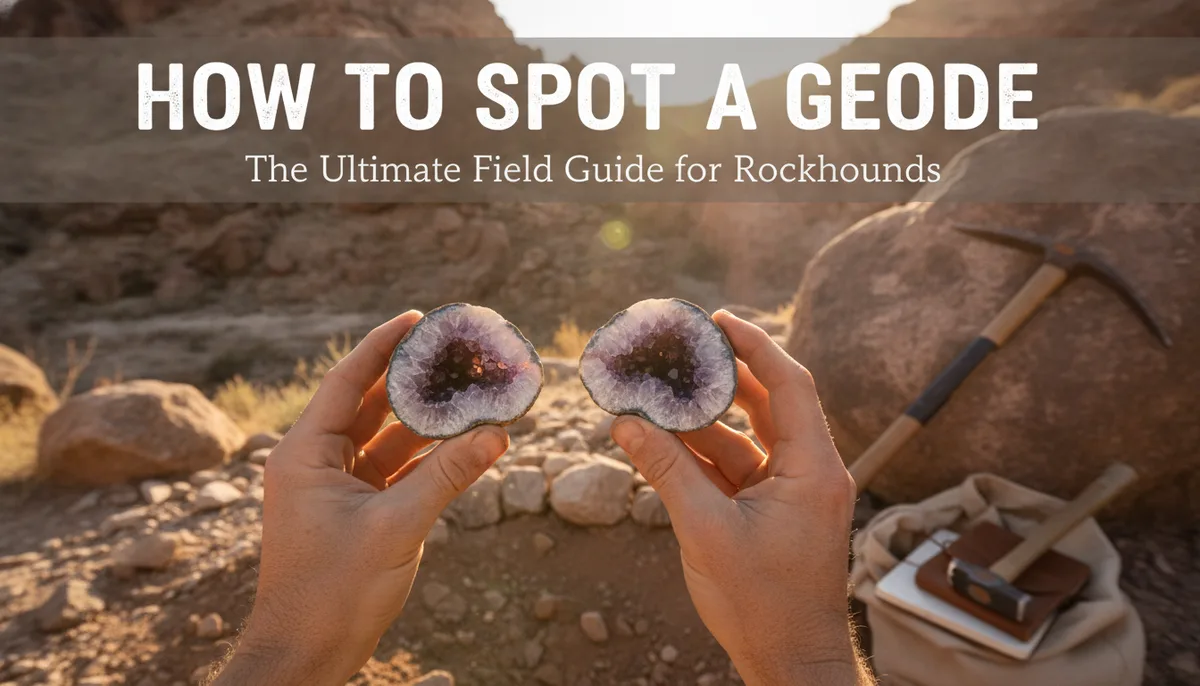
How to Spot a Geode: The Ultimate Field Guide for Rockhounds
Learn how to identify geodes in the wild using weight, texture, and sound. Our comprehensive guide helps you spot these hidden cry...
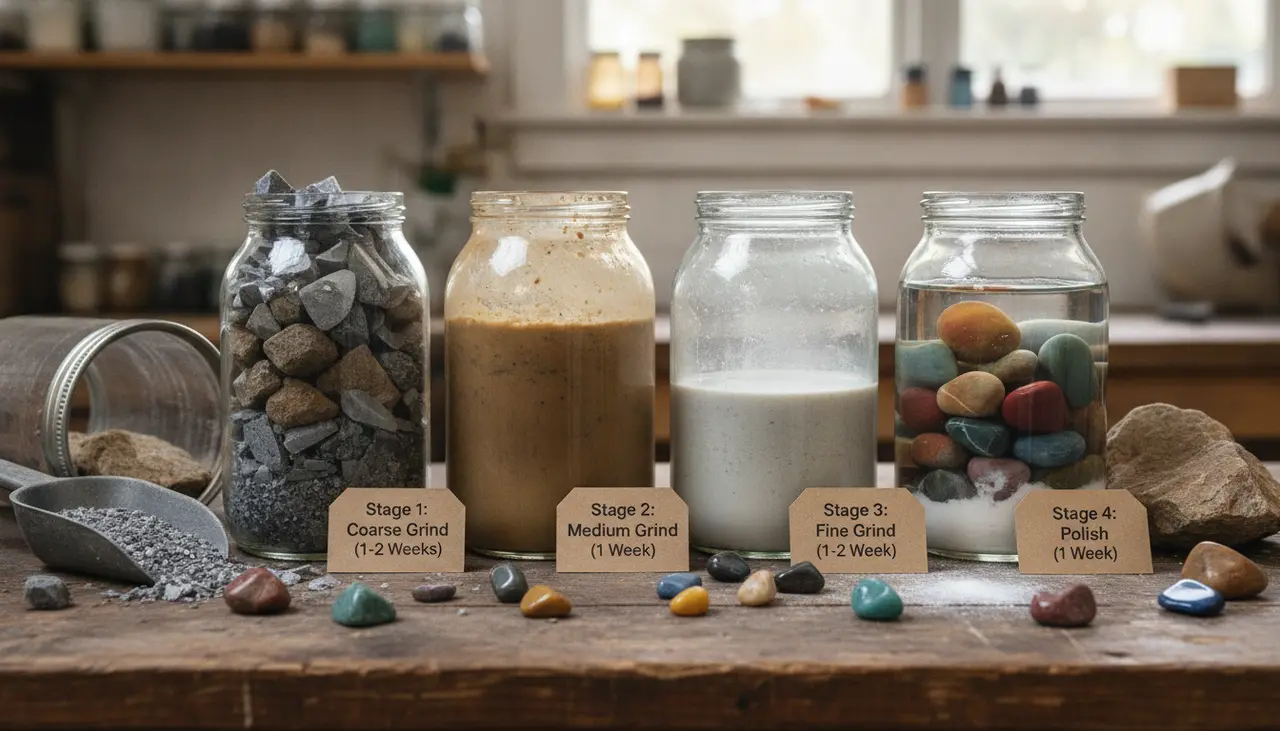
The 4 Stages of Grit: A Simple Guide to Professional Rock Polishing
Transform rough stones into sparkling treasures by mastering the four essential stages of tumbling grit, designed to fit into your...
Best Rock Tumblers for Beginners: Our Top Picks for Your New Hobby
Starting your rock tumbling journey shouldn't be stressful. We’ve rounded up the most reliable, beginner-friendly tumblers to help...
The Polished Pebble Master Buying Guide: Choosing Your First Rock Tumbler
Transform dull stones into gleaming treasures with our comprehensive buyer's guide. We break down the equipment and supplies you n...
Unveiling Nature’s Hidden Gems: The Complete Guide to Thundereggs
Discover the secret world of thundereggs. Learn how these volcanic nodules form, where to find them, and how to reveal the stunnin...